A zerk grease fitting is a pivotal component in the world of machinery maintenance. Often overlooked, this small fitting plays a crucial role in prolonging the life of equipment. When properly utilized, it ensures that essential moving parts receive adequate lubrication. This prevents wear and tear, which can lead to costly repairs.
Understanding how a zerk grease fitting works can enhance your maintenance routine. This fitting allows for grease to be injected directly into a bearing or joint. The design ensures that old grease is pushed out while new grease fills the void. Users often encounter challenges with clogged fittings or incorrect grease types. Addressing these issues can prevent machinery breakdowns.
However, the proper use of a zerk grease fitting requires knowledge and care. Many operators may ignore the signs of neglect, assuming that machinery runs smoothly. Regular checks are necessary to ensure that the fittings are functioning. Ultimately, awareness of this component's importance can lead to more reliable machinery and fewer maintenance headaches.
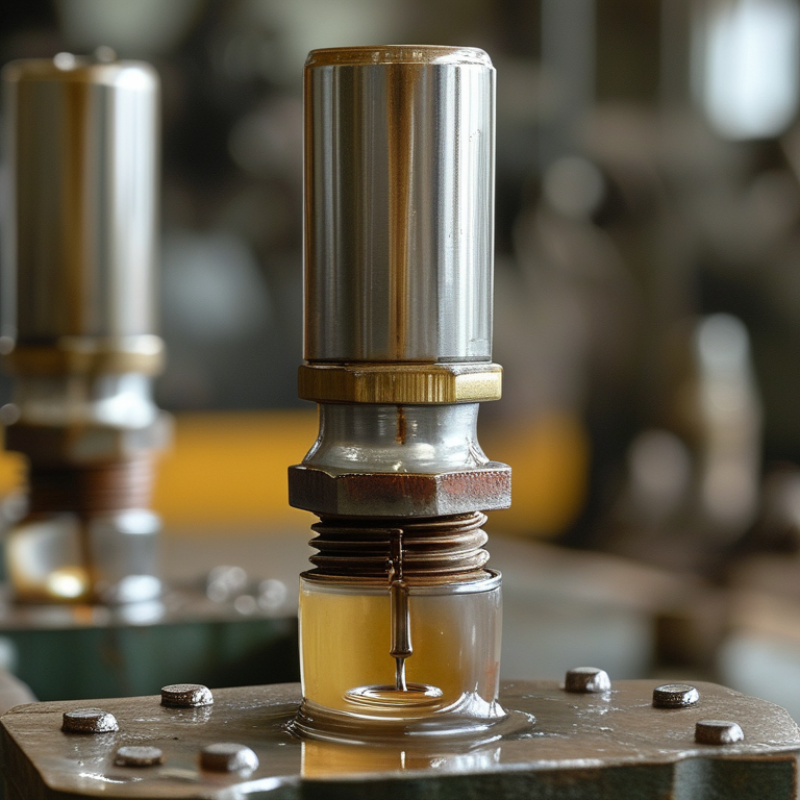
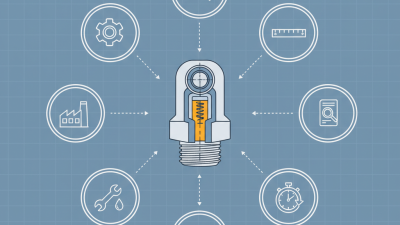
A Zerk grease fitting is a small device vital for machinery lubrication. Commonly found in vehicle components, equipment joints, and industrial machines, these fittings simplify the maintenance process. The design features a one-way valve that allows grease to enter while preventing contamination. This mechanism makes it easy to supply grease directly to specific parts requiring lubrication.
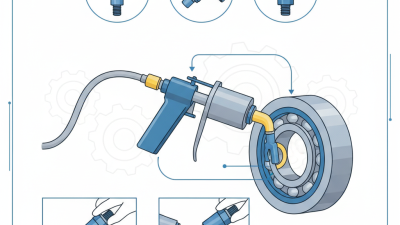
Using a grease gun, the user applies pressure, pushing grease through the fitting into the desired area. This method ensures that lubricants distribute evenly, reducing friction and wear. Regular maintenance helps improve equipment longevity and performance. However, some users may overlook this simple task, leading to potential failure in machinery operations.
Understanding Zerk fittings is crucial for anyone involved in maintenance. While their installation is generally straightforward, misalignment can cause grease to leak improperly. By becoming familiar with this fitting, professionals can ensure optimal functionality. Investing time in learning about Zerk grease fittings can save money on repairs and improve overall efficiency in various machines.
| Feature | Description |
|---|---|
| Definition | A Zerk grease fitting, also known as a grease nipple, is a small fitting used to supply lubricating grease to machinery and equipment. |
| Purpose | To allow easy lubrication of mechanical parts such as bearings and joints without disassembly. |
| Operation | A grease gun attaches to the Zerk fitting, allowing grease to be injected into the component. |
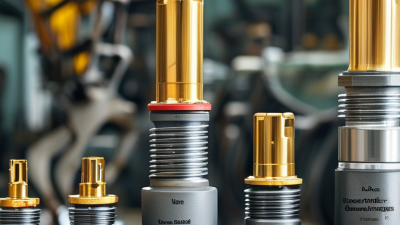
| Materials | Typically made from steel or brass, designed to withstand high pressure and resist wear. |
| Common Applications | Used in automotive, industrial machinery, and various manufacturing equipment for regular maintenance. |
| Advantages | Simplifies lubrication processes, reduces maintenance time, and helps prolong equipment life. |
| Disadvantages | Can lead to over-lubrication if not monitored, and grease can attract dirt and debris. |
The history of Zerk grease fittings dates back to the early 1920s. Named after John Zerk, an American inventor, these fittings aimed to simplify lubrication. Zerk recognized the challenges of maintaining machinery. Early systems required disassembly for lubrication. This was time-consuming and inefficient.
Zerk designed a fitting that allows easy grease application while the machinery remains intact. The innovation quickly gained popularity. Manufacturers adopted it widely across industries. Grease fittings improved machinery longevity and operational efficiency. Zerk fittings enabled continuous lubrication without the mess. Many saw it as a revolutionary step in maintenance.
Despite their advantages, Zerk fittings are not without flaws. Over-greasing can lead to contamination. Sometimes, dirt can enter through the fittings. If not cleaned properly, they may cause more harm than good. Users must remember that while convenient, these fittings require responsible maintenance. Understanding their history helps us appreciate their role in modern machinery.
Zerk grease fittings play a vital role in maintaining machinery effectively. These fittings allow for easy lubrication of various components, ensuring smooth operation. By providing a centralized point for grease application, Zerk fittings help reduce wear and tear. A study by the Society of Automotive Engineers indicates that proper lubrication can extend machinery life by up to 50%.
Understanding how Zerk grease fittings function is essential for optimal maintenance. When a grease gun is applied to the fitting, grease flows through a one-way valve. This design prevents dirt and debris from entering the machinery. Results from engineering studies show that equipment regularly lubricated with Zerk fittings operates at least 30% more efficiently than those without regular maintenance. Regular checks and timely lubrication can avert unnecessary breakdowns and costly repairs.
For best practices, ensure grease is compatible with the machinery's requirements. Also, always check the fittings for damage. A damaged fitting can lead to grease leaks and inadequate lubrication. Involve your maintenance team in regular training sessions to highlight the importance of lubrication. They can share experiences and practical insights into keeping machinery running smoothly. Remember, investing time in regular maintenance tasks can lead to long-term savings.
Zerk grease fittings are essential components in machinery maintenance. These small fittings allow for easy greasing of bearings and joints, ensuring smooth operation. By using a Zerk fitting, mechanics can deliver grease directly into a component, reducing friction and wear. This simple design significantly improves the lifespan of mechanical systems.
One major advantage of Zerk grease fittings is convenience. They are designed for quick and easy access, allowing for efficient lubrication. This reduces downtime in equipment maintenance. Regular greasing with Zerk fittings can prevent costly repairs or replacements. The fittings create a seal that helps keep contaminants out, promoting longevity.
However, reliance on Zerk fittings is not without drawbacks. Over-greasing can lead to excess pressure in components, potentially causing damage. Furthermore, not all equipment is compatible with Zerk fittings. It’s vital to assess the specific needs of your machinery before implementation. Embracing Zerk fittings requires careful management to maximize benefits while minimizing risks.
Zerk grease fittings play a crucial role in various industries by ensuring efficient lubrication of machinery. Often found in construction equipment, automotive systems, and manufacturing processes, they provide ease of maintenance. A study by the National Institute for Occupational Safety and Health estimates that improper lubrication can lead to a 30% increase in machinery wear and tear. Regular use of Zerk fittings can combat this issue, prolonging equipment lifespan.
In the automotive sector, Zerk fittings are vital for components like steering joints and suspension systems. According to the American Society of Mechanical Engineers, using these fittings can reduce friction by up to 50%. This reduction not only enhances performance but also increases fuel efficiency. However, the reliance on grease fittings requires proper communication between mechanics and operators to ensure that all parts are regularly serviced.
Manufacturing industries also benefit from Zerk grease fittings. Regular greasing of conveyor systems is essential to prevent unexpected downtime. Data shows that up to 10% of maintenance costs are due to equipment failure linked to inadequate lubrication. While Zerk fittings offer a streamlined solution, neglecting them can lead to severe operational disruptions. Industries must establish consistent lubrication schedules to avoid these pitfalls.