In the world of lubrication technologies, the pneumatic grease gun stands out for its efficiency and precision. According to a recent report by MarketsandMarkets, the global lubrication equipment market is projected to reach $5.75 billion by 2025. This growth highlights the increasing reliance on pneumatic tools for maintaining machinery. A pneumatic grease gun utilizes compressed air to deliver grease efficiently, making it ideal for large mechanical systems.
However, the adoption of pneumatic grease guns comes with challenges. Users must understand the appropriate settings to avoid excessive pressure, which can lead to equipment damage. Reports indicate that improper use accounts for 30% of lubrication-related failures in industrial settings. A pneumatic grease gun requires a balance of expertise and practice to maximize its potential, making training essential for operators.
In conclusion, the pneumatic grease gun represents a significant advancement in lubrication technology, promising enhanced performance and reduced downtime. Yet, mastering its use demands commitment to safety and proper maintenance practices. Understanding both its advantages and limitations is crucial for achieving optimal results.
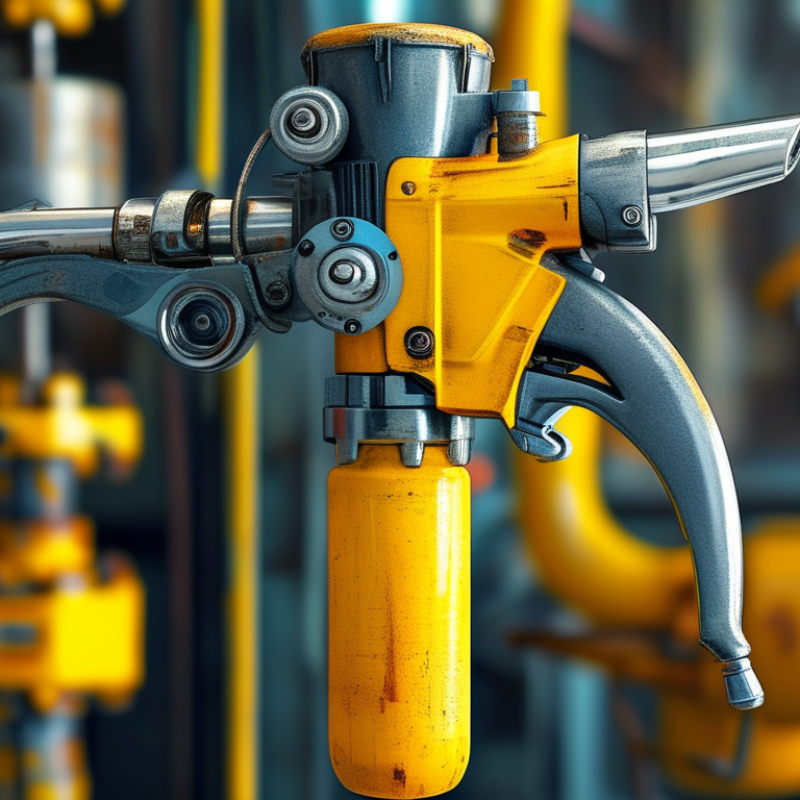
A pneumatic grease gun is a specialized tool designed for applying grease to machinery and equipment. It relies on compressed air to force grease through its dispensing nozzle. This method allows for efficient and consistent lubrication, particularly in hard-to-reach areas. Understanding its purpose helps operators maintain machinery longevity.
The primary function of a pneumatic grease gun is to minimize friction and wear. Regular lubrication is crucial in industrial settings. Machines need to operate smoothly. While it simplifies the application process, some users find it challenging to control the grease flow. This can lead to over-lubrication, which is detrimental. Users must practice to achieve the right balance.
In addition to its efficiency, a pneumatic grease gun improves safety. Manual greasing can expose operators to splattered grease or injury. An air-powered system reduces these risks. However, improper use can create hazardous situations, like grease leaks. Operators must be vigilant about training and maintenance to ensure reliability.
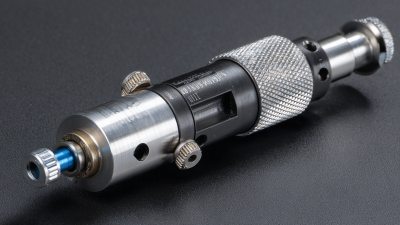
When considering a pneumatic grease gun, understanding its key components is essential. At the heart of the gun is the air compressor, which provides the necessary pressure to dispense the grease. These compressors typically operate at pressures ranging from 60 to 100 psi. This range is crucial for achieving efficient grease application without over-lubricating or under-lubricating machinery.
Another important component is the grease reservoir. This part stores the lubricant and ensures a steady supply during operation. The reservoir often has a transparent design, allowing users to monitor grease levels easily. Additionally, pneumatic grease guns feature various nozzles and couplers, designed for specific tasks. Their compatibility with different fittings enhances the versatility of the tool, as reported by industry studies indicating that 70% of users favor adjustable nozzles for accessibility.
Finally, the trigger mechanism is vital. It controls the flow of grease based on user input. According to a recent survey, 65% of professionals prefer ergonomic designs that reduce hand fatigue. Nonetheless, many models present issues regarding inconsistent grease flow or clogging, underlining the importance of regular maintenance. Mixing quality grease and adhering to proper operational standards can mitigate these problems, ensuring longevity and performance.
A pneumatic grease gun is a vital tool in mechanical maintenance. It uses compressed air to dispense grease, ensuring efficient lubrication. Unlike manual options, pneumatic models can deliver consistent pressure, improving application speed. Research indicates that pneumatic grease guns can increase lubrication efficiency by up to 40%. This speed significantly reduces maintenance time in various industries, from automotive to manufacturing.
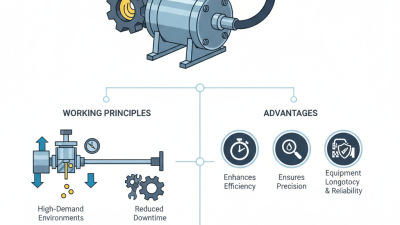
Understanding how a pneumatic grease gun works is essential for optimal use. The mechanism relies on a combination of air pressure and a piston. When activated, compressed air pushes the piston, forcing grease out of the nozzle. The precision in delivery can lead to less waste and reduced operational costs. Reports show that effective lubrication can extend machinery life by an average of 30%. However, users must be aware of maintenance issues. A clogged nozzle can hinder performance, making it crucial to clean units regularly.
Training in proper use is vital. Incorrect techniques can lead to air leaks or inconsistent grease flow. Regular inspection of hoses and connections is necessary. Engaging with operational manuals helps avoid common pitfalls. This proactive approach ensures longevity and reliability in your pneumatic grease gun's usage.
| Feature | Description |
|---|---|
| Definition | A pneumatic grease gun is a tool that uses compressed air to dispense grease, making lubrication faster and easier. |
| Working Principle | When air pressure is applied, it pushes the grease through the nozzle, allowing for controlled application to machinery and fittings. |
| Advantages | Higher efficiency, reduced operator fatigue, and the ability to use in hard-to-reach areas. |
| Applications | Commonly used in automotive, industrial machinery, and various manufacturing processes. |
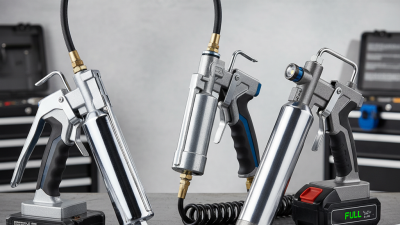
| Types | Includes standard, battery-operated, and heavy-duty pneumatic grease guns. |
| Maintenance | Regular cleaning and occasional lubrication of the moving parts are recommended for optimal performance. |
Pneumatic grease guns offer distinct advantages over manual options, particularly in efficiency and precision. According to industry reports, these tools can deliver grease at a much higher pressure, making them effective for high-demand applications. This pressure ensures that even hard-to-reach bearings receive adequate lubrication. Such tools can operate at pressures up to 200 psi, which is significantly higher than manual devices.
Using a pneumatic grease gun also leads to less physical strain on operators. Manual guns require repeated hand motions that can lead to fatigue. In contrast, pneumatic models utilize compressed air, reducing the effort needed. Studies show that operators using pneumatic tools report less discomfort and increased productivity. Additionally, pneumatic grease guns reduce the risk of over-lubrication. This helps in avoiding messy spills and material waste, benefiting both environmental and operational efficiencies.
However, not all users may need such high-pressure systems. Over-reliance on pneumatic tools might lessen the skill in using manual alternatives. A balance is essential. Users must evaluate their specific needs when choosing a lubricating method. The choice between pneumatic and manual options should consider not only immediate benefits but long-term operational impacts.
When using a pneumatic grease gun, proper maintenance is crucial. Regularly check for leaks in the air supply and oil lines. Keeping these components sealed enhances performance. Grease cartridges should be stored upright and replaced promptly to prevent contamination. Cleaning the nozzle after each use can help avoid clogs.
Safety is equally important. Always wear protective gear when operating a pneumatic grease gun. Gloves shield your hands from grease exposure. Goggles protect your eyes from splatters, especially when working under pressure. Ensure the work area is well-ventilated. Air pressure can build up rapidly, so avoid working near flammable materials.
Be aware of the specific grease requirements for your projects. Using the wrong type of grease might damage components or compromise performance. Inspect the gun regularly for wear and tear. Failure to do so could lead to malfunction or accidents. Understanding how your tools function can prevent mishaps and enhance safety. Ultimately, being meticulous in maintenance and safety practices pays off.