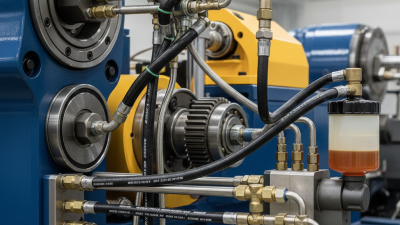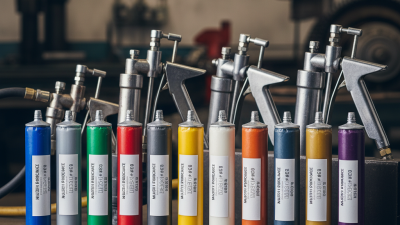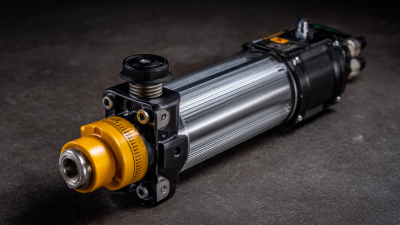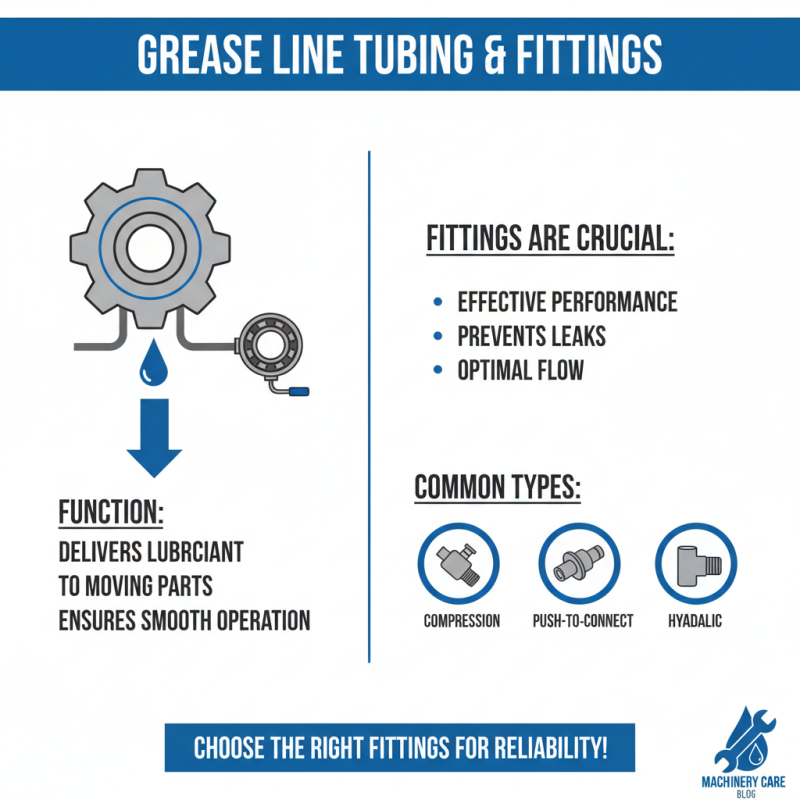
Grease line tubing and fittings play a critical role in many industrial applications. These components ensure the smooth transfer of grease within machinery. Proper lubrication is essential for reducing wear and tear on moving parts.
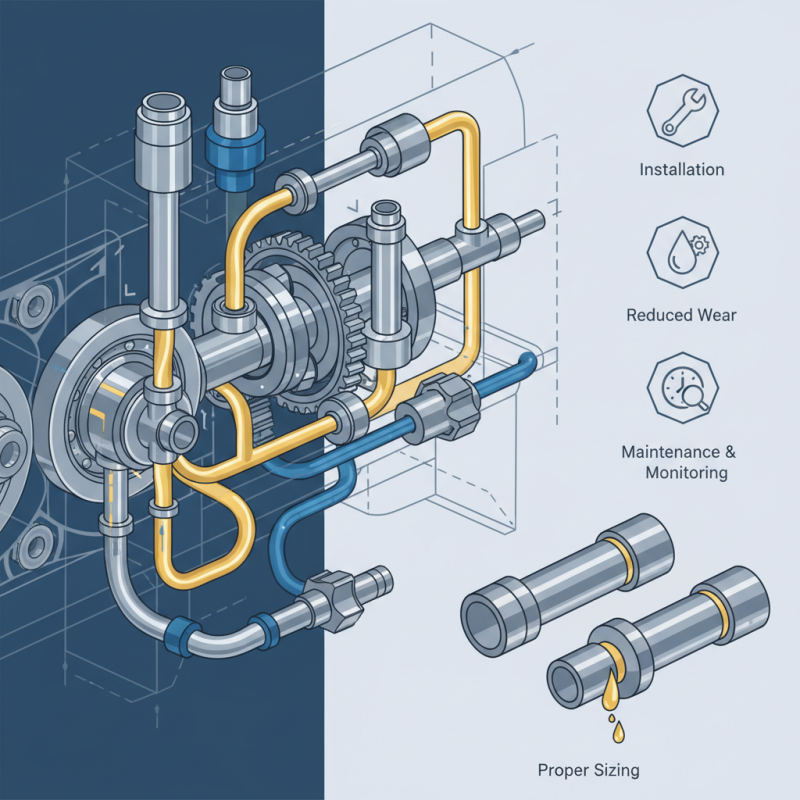
Understanding grease line tubing and fittings involves recognizing their types and applications. There are various materials used, including steel and plastic. Each type has its own benefits and drawbacks. One common issue is choosing the wrong size, leading to leaks or pressure loss.
In many cases, installation can be a challenge. Ensuring tight connections is vital for system performance. Many users overlook proper maintenance, which can result in costly repairs. Grease line tubing and fittings must be monitored regularly to ensure efficiency. Balancing functionality and durability is crucial for long-term success.
Grease line tubing is essential for many industrial applications. It is used to transfer lubricants to various moving parts. The primary purpose is to keep machinery running smoothly. When machinery operates, friction generates heat. Lubricants prevent wear and tear, helping to extend equipment lifespan.
Understanding grease line tubing involves its construction and materials. Typically, it is made from durable materials like stainless steel or reinforced plastic. These materials resist corrosion and withstand high pressure. Fittings attached to the tubing ensure a tight seal. This prevents leaks, which could lead to equipment failure.
Tips: Regularly inspect your grease lines and fittings for wear. It's easier to replace a small section than a whole system. Also, choose the right diameter for your application; this can affect flow rates significantly. Always be aware of pressure ratings to avoid leaks and equipment damage.
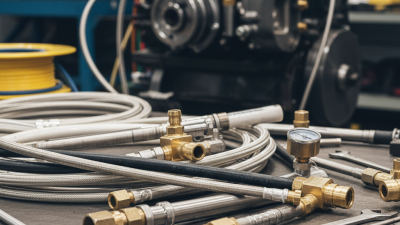
Grease line tubing is essential for various lubrication applications. The manufacturing of this tubing involves careful selection of materials. Common options include stainless steel, thermoplastics, and rubber. Each material has unique properties that cater to specific use cases.
Stainless steel is popular due to its strength and corrosion resistance. This makes it ideal for harsh environments. However, it can be heavy and may require more precise installation. Thermoplastics, on the other hand, offer flexibility and weight savings. They are less durable, raising concerns for long-term applications. Rubber fittings are often chosen for their elasticity, but their lifespan can be limited.
Finding the right balance in material choice can be challenging. Users must consider factors like operating temperature and pressure. While some materials excel in one area, they might not perform well in others. This exploration into grease line tubing materials highlights the importance of making informed decisions. Each choice carries implications for performance and longevity in practical applications.
Grease line tubing is crucial in many industries. It helps deliver lubrication efficiently to machinery. This is essential in preventing wear and tear. Common applications include manufacturing, automotive, and mining.
In the automotive sector, grease line tubing is vital for keeping bearings and joints well-lubricated. A study shows that proper lubrication can increase component life by up to 50%. This is significant for maintaining vehicle performance. However, if the tubing fails, it can lead to costly repairs.
In mining, equipment operates under tough conditions. Here, grease line tubing ensures that large machines, like excavators, function smoothly. A report estimates that regular maintenance can cut downtime by 30%. Yet, many companies overlook tubing inspections. Neglecting this can result in unexpected breakdowns and losses.
Different industries use grease line tubing in unique ways. Each application has its challenges. Understanding these specifics is vital for optimizing performance and preventing failures. Companies should prioritize regular checks and updates on their lubrication systems.
Grease line tubing is essential for various machinery. It ensures smooth operation by delivering lubricant directly to moving parts. The right fittings for this tubing are crucial for effective performance. Several types of fittings are available to meet different needs.
Common fittings include straight connectors, elbows, and tees. Each type serves a specific purpose. Straight connectors are great for simple connections. Elbows allow for directional changes, while tees can split the line to supply multiple points. It's vital to choose fittings that match your grease line tubing's diameter. Mismatched sizes can lead to leaks or pressure loss.
Tips: Always check the specifications of the fittings before installation. This can save time and prevent costly mistakes. Regularly inspect connections to ensure they’re secure. A loose fitting can lead to wastage. Remember that the material used for fittings also matters; it should resist corrosion to enhance durability.
Proper installation and maintenance of grease lines are crucial for ensuring the efficiency of machinery. Grease lines play a vital role in reducing friction and wear within moving parts. If not installed correctly, grease may not reach critical components. This oversight can lead to increased downtime and costly repairs. Regular checks should be performed on grease fittings. If they are clogged, they can hinder lubrication.
Maintenance is not just about checking the lines. It involves monitoring the grease itself. Over time, grease can break down, losing its effectiveness. Using the correct type of grease is essential, yet it can be overlooked. Many users might not consider this and face performance issues. In addition, keeping an eye on the grease line’s physical condition is important. Any signs of wear or damage should be addressed immediately.
Ignoring these aspects can have repercussions. A simple oversight can escalate into significant failures. Ensuring a fondness for detail in installation and maintenance practices will enhance machinery life. Regular training on best practices can promote awareness among operators. Reflection on past mistakes can lead to improved future outcomes. Efforts in this area yield benefits in reliability and efficiency.