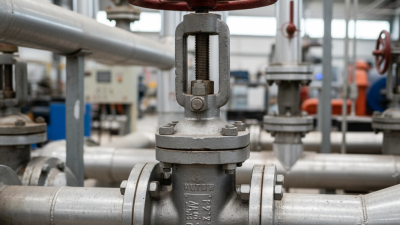
When considering a piping system, selecting the right components is essential. A ball check valve is often a top choice. This type of valve allows fluid to flow in one direction. It helps prevent backflow, ensuring system integrity.
The design of a ball check valve is simple yet effective. It features a round ball that sits in a seat. When fluid flows in the correct direction, the ball lifts and opens. However, when backflow occurs, the ball settles back into place. This design minimizes pressure loss. In many applications, reliability is crucial.
Choosing a ball check valve also comes with challenges. While it is effective, it may require regular maintenance. In certain conditions, buildup can occur. Users must consider these factors before implementation. Overall, understanding the benefits and drawbacks is vital in decision-making.
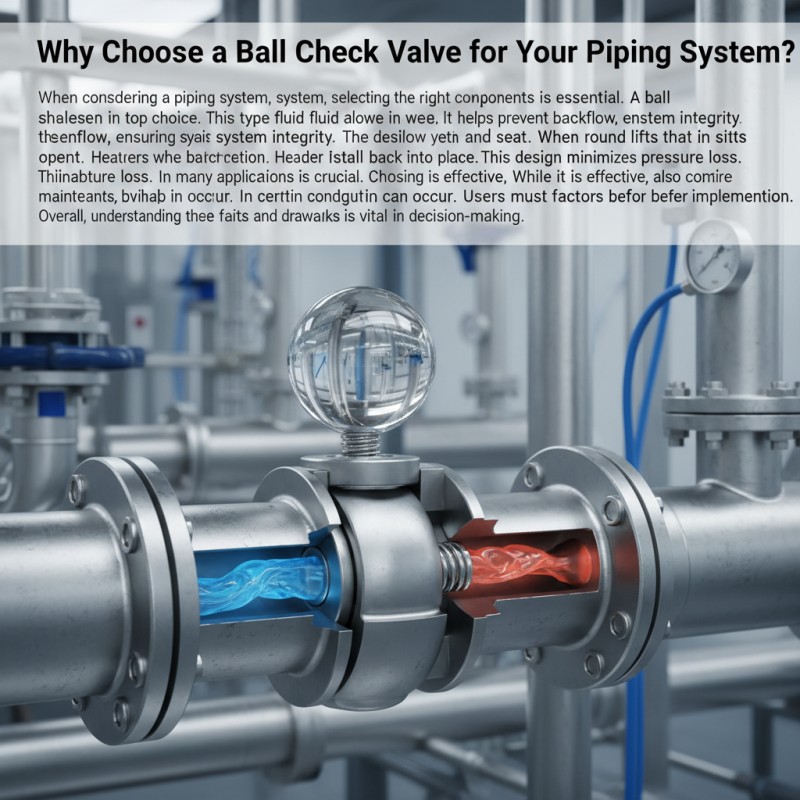
Ball check valves play a crucial role in piping systems. They allow fluid to flow in one direction while preventing backflow. This functionality is key in various applications, from water supply to industrial processes. When fluid flows forward, the ball inside the valve is lifted off its seat. This opens the passage, allowing the fluid to move freely. However, if the flow reverses, the ball drops back into place, sealing off the inlet.
Understanding the mechanics helps in selecting the right valve for specific needs. While ball check valves are effective, they can have issues. For instance, debris might prevent the ball from sealing properly. This could lead to leaks or reduced efficiency. It's essential to regularly inspect these valves to avoid complications. Regular maintenance can help identify any problems early on, ensuring reliable operation.
Each application may require different specifications, so it's vital to choose wisely.
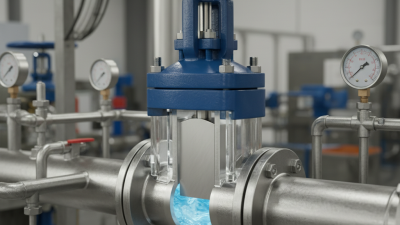
When choosing a valve for your piping system, ball check valves stand out due to their unique benefits. They feature a simple design with a spherical ball that moves to prevent backflow. This mechanism offers reliability and efficiency, which other valve types may not always guarantee. Unlike swing check or lift check valves, ball check valves have fewer moving parts, reducing the risk of failure.
Tips: Regular maintenance is key. Inspect the valve for wear and debris build-up. A clean valve ensures that it functions correctly and lasts longer.
Another advantage of ball check valves is their low-pressure drop. They maintain higher flow rates, making them ideal for various applications. The compact design also requires less space, fitting seamlessly into smaller systems. However, installation can be tricky, and improper placement may lead to issues.
Tips: Be mindful of the valve's orientation during installation. Follow the manufacturer's guidelines for optimal performance. Don't overlook the importance of checking the alignment; it can save future headaches.
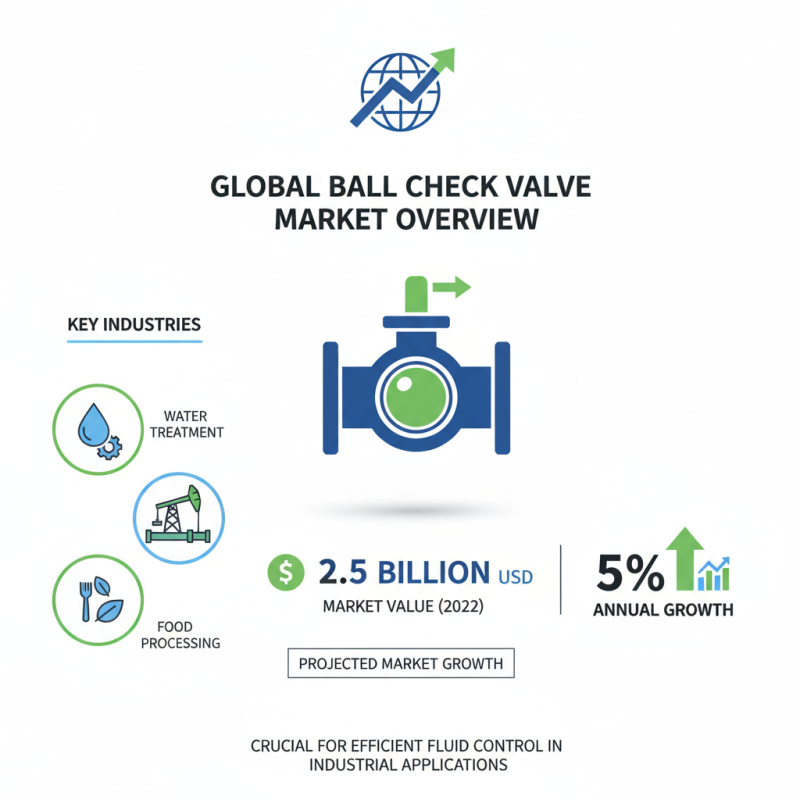
In various industries, ball check valves play a crucial role in ensuring efficient fluid control. These valves are primarily found in water treatment, oil and gas, and food processing sectors. In 2022, reports indicated that the global ball check valve market was valued at approximately $2.5 billion and is projected to grow by 5% annually. This growth highlights their increasing reliance in industrial applications.
Ball check valves are often used in pump protection. They prevent backflow, which can damage pumps, leading to costly repairs. In wastewater treatment facilities, these valves help maintain flow direction. This is essential for the smooth operation of the treatment processes. A misalignment could lead to contamination or system failures.
**Tip:** Regularly inspect ball check valves for wear and tear. Even minor physical damage can compromise functionality, risking system integrity.
In food processing, these valves also play a vital role. They ensure hygienic conditions by preventing backflow of contaminants. However, one must ensure they are made from food-safe materials. Non-compliance could lead to health hazards. Adjustments in installation and maintenance are often needed based on specific system requirements. The importance of correct specifications cannot be overstated. Non-compliance could lead to significant safety issues.
When selecting a ball check valve, several factors come into play. The size of the valve is crucial. It must be compatible with your piping system. A mismatch can lead to leaks or poor performance. Consider the flow rate as well. Each system has unique requirements. A valve that restricts flow may cause upstream pressure build-up. This can lead to system failures over time.
Material choice is also significant. Ball check valves can be made from various materials like plastic or metal. The material affects durability and resistance to corrosion. It's essential to understand the environment where the valve will operate. A valve in a harsh chemical environment needs specific properties. Ignoring this can lead to premature wear or failure.
Lastly, think about maintenance. Some ball check valves are easier to maintain than others. Accessibility is vital for future inspections or replacements. A complex valve can increase downtime during repairs. It's better to weigh all these factors carefully. Your choice impacts the efficiency of the entire system. Don't rush the decision-making process. Each detail matters significantly.
Maintaining ball check valves is crucial for optimal performance. These valves can prevent backflow in piping systems. However, they are not without challenges. Common issues include seat damage and ball wear. According to industry reports, about 20% of valve failures are due to improper maintenance practices. Regular inspections can identify wear early, potentially saving significant costs.
Troubleshooting is an important aspect of valve management. A common symptom of a malfunctioning valve is inconsistent flow. It may indicate internal damage or debris obstructing the valve. The Valve Manufacturers Association reports that up to 30% of valves in industrial systems experience operational issues caused by foreign particles. This highlights the need for regular cleaning and system checks.
Implementing a preventive maintenance schedule can help mitigate these issues. Recommended practices include periodic testing and inspection after major changes in the system. However, many operators overlook this aspect. They may wait until problems arise, leading to costly downtimes. Investing in a proactive approach can enhance the lifespan of ball check valves and improve overall system reliability.